
Colorectal Cancer
Let’s break the silence.
Colorectal Cancer Prevention
WHAT IS COLORECTAL CANCER?
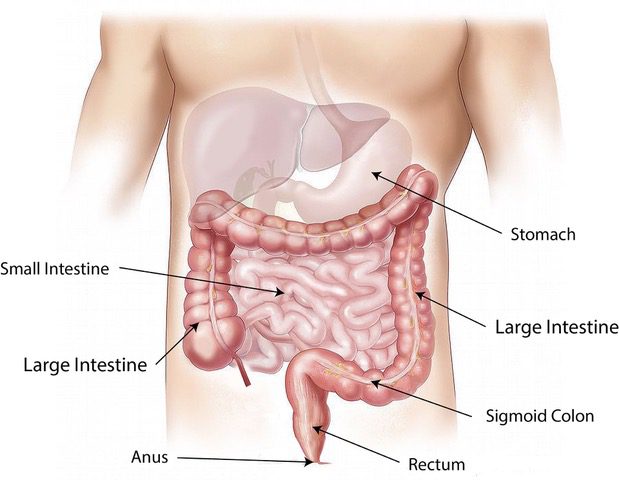
The colon is the large intestine or large bowel, and is also part of what is called our “gut” or the gastrointestinal tract. The rectum is the final area of the large intestine prior to stool exiting through the anus. The term “colorectal” includes the colon and the rectum.
Cancer of the colon or rectum or “colorectal cancer” is when cancer is found within the lining of the colon and/or rectum. Colorectal cancer is the #1 cause of cancer-related death in people under age 50, and the 2nd leading cause of cancer-related death in men AND women combined in the United States. Screening begins at age 45 for people of average risk.
WHAT DOES AVERAGE RISK MEAN?
You are of average risk and need to begin screening at age 45 if the following applies to you:
1. No family history of colorectal cancer.
2. No family history of pre-cancerous polyp(s) or advanced adenomas removed.
3. No family history of Lynch genetic disorder.
4. No personal experience with an inflammatory bowel disease or IBD.
5. No personal symptoms of blood in your stool, no abdominal pain/bloating, no irregular bowel habits, no chronic constipation, no thin/flat stools, and no unexplained weight loss.
EARLY ONSET OF COLORECTAL CANCER
Colorectal cancer is the number cause of cancer-related death in people under age 50. In addition, young people born after 1990 are at a 2x greater risk for colon cancer and 4x greater risk for rectal cancer.
Paying attention to gastrointestinal systems and knowing your family history is critical. Talk with your family about a colorectal cancer diagnosis ASAP! AGE, STAGE and POLYP removal is an important conversation. One’s family history is more than a checkbox. It is a story that requires deeper understanding. Colorectal cancer is preventable, treatable and beatable if it is caught at the early stages.
Check out the entertaining video which discusses colorectal cancer prevention. Additionally, Board member Dr. Vorenberg and colleague Dr. Gentry give insights on the disease through the Fight Right podcast, episode #11.
KEY TAKEAWAYS:
- Age 45 is the deadline to screen for colorectal cancer. Feel fine? No GI distress? Great, you still need to screen for colorectal cancer by age 45.
- Don’t ignore GI symptoms at any age. Screening needs to begin earlier if you are experiencing symptoms such as blood in the stool, chronic constipation, changes in bowel habits, chronic pain and/or bloating, and stools that are thin or flat.
- Born after 1990? You have a higher risk for colorectal cancer. Colon and rectal cancer is the #1 cancer-killer in people under age 50.
- What can young people do? Know your family history of colorectal cancer and the age and stage of diagnosis. Additionally, stay aware of your own gastrointestinal issues.
- Remember, to talk with family ASAP! Beware of AGE, STAGE, and POLYPS. One’s family history is more than a checkbox. It is a story that requires deeper understanding.
- Why know about polyp removal within family? Ask your family about polyps that were removed such as how many and the lab results. A family history of pre-cancerous polyp removal puts you at an advanced risk for colorectal cancer, and you may need to screen earlier than age 45.
- Tell your doctor about your family history of the disease including age and stage of diagnosis, as well as family history of polyp removal.
Start the conversation with a medical provider
- Tell your provider if you have a family history of polyps, or a family history of colorectal cancer along with the stage and age of diagnosis. This first step requires the patient to know their family history. Discussing your family history of disease with loved ones is critical.
- At any age, tell your provider if you are having abdominal pain, bloating, thin or flat stools, blood in stool, chronic constipation, and/or irregular bowel habits.
- If you are approaching age 45, even with no symptoms, begin the screening discussion with your medical provider.
- Ask your provider about simple, in-home screening options, and if one of those options might be right for you.
- If scheduling the colonoscopy procedure, ask about a low volume bowel prep or the prep tablets as an option.
Colonoscopy or Stool-Based Test?
Check out the FIT Test and Cologuard:
The Fecal Immunochemical Test (FIT) is a noninvasive, easy method to test for occult (non-visible) blood in the stool which could signal an issue that needs further investigating. The test is completed in the privacy of your own home and then the patient returns the test to their provider’s office or mails it to a designated lab, to complete the screen. The results are sent to the provider for follow up with the patient regarding next steps.
Cologuard is a cutting edge method of in-home colorectal cancer screening. Cologuard is a stool DNA screen which tests for non-visible blood in the stool AND it is the only test that uses stool DNA technology to detect the shedding of cells that may indicate cancer or pre-cancer. The screening tool is sent directly to your home after your doctor places the order. The completed test is sent back to the Exact Sciences lab to complete the screen and the doctor is notified of the results.
If a patient receives a positive or abnormal stool test result, a diagnostic colonoscopy may be recommended to determine if the patient has colorectal cancer or another digestive issue that requires treatment.
Is it time for the colonoscopy procedure?
Download your complete guide to colonoscopy prep! Don’t fear the bowel prep! We have effective tips to help you clean out your colon. Prep, Proceed, Protect! Remember, after the procedure, your gut needs to recolonize the ‘good guy’ bacteria. Eat foods rich in pre and probiotics.
Ask about SuTab now on the market with high efficacy rates along with patient satisfaction. By taking pills and drinking clear liquids of your choice, this option takes the place of the high volume liquid jug.
What is HCB2 doing in the community to raise screening rates? Check out our screening services.